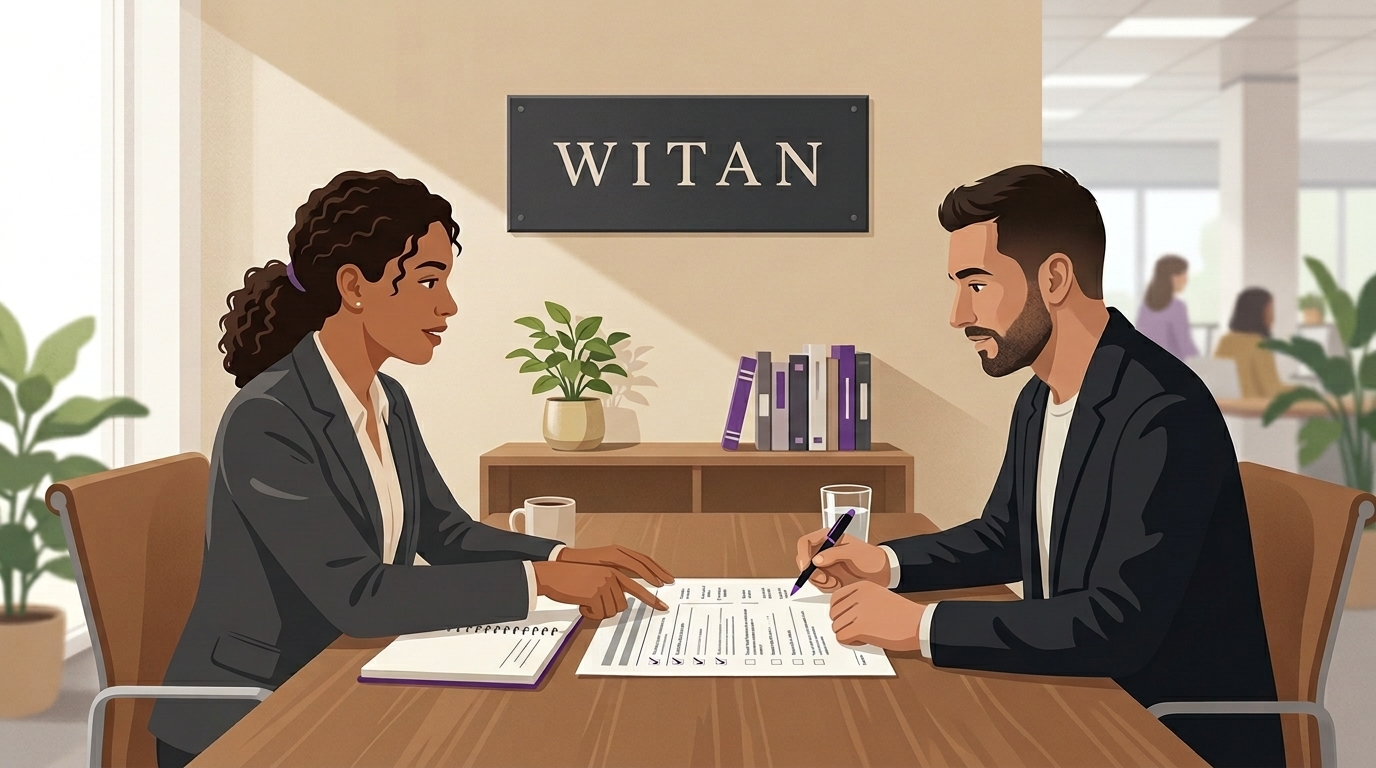
When you and your shareholders first start your business, the idea of a disagreement developing seems inconceivable. However, it is a sad fact of business life that fallouts among founders are commonplace, and as your company grows and develops, there may be situations where differences of opinion arise, leading to a dispute.
Shareholder disputes can be both detrimental and disruptive to your business. They can also be time-consuming and stressful and, if not handled correctly, can lead to expensive legal fees, damage to a company’s reputation, and even result in the failure of the business. It is, therefore, crucial to recognise when a dispute is occurring and take legal advice as soon as possible on what remedies are available.
In this guide, we look at what the circumstances in which shareholder disputes might arise and list our seven strategies for resolving them without damaging the business.
Examples of Shareholder Disputes
Put simply, shareholder disputes are disagreements between shareholders and the owners of the company, or among shareholders over how the company is being run or managed. Shareholder disputes are not unusual and occur for many different reasons. These include:
- Disagreement over the control and management of the company, including whether the company’s legal responsibilities and obligations are being met
- Disagreement over the direction of the business. This is commonplace, especially in smaller, family businesses.
- Breakdowns in personal relationships, especially when shareholders are family members.
- Money being unfairly paid out or distributed, for example, where a main shareholder draws a salary or dividends for themselves only without justification.
- A breach of the shareholders’ agreement. For example, when a shareholder sells their shares to a competitor in violation of the agreement
- A lack of respect for minority shareholders. Many disputes arise out of minority shareholders feeling like they are not being kept informed about the company’s finances or included in meetings.
- Where a conflict of inflict arises, especially if one of the shareholders is involved in another business
- A deadlock or deadline between the parties so that the company cannot operate and
- Where the parties want to part ways
What Impact Can a Shareholder Dispute Have on Your Business?
Shareholder disputes can have a huge impact on any business, but they will be particularly damaging to a business in its early stages. If left to linger, a dispute can become acrimonious, distract from the day-to-day running of the business and be stressful for employees.
The longer the dispute continues, the more disruptive and expensive it is likely to be, not only in legal fees but also in lost time, which can quickly have an impact on future revenue and growth.
Drawn-out shareholder disputes also damage a company’s reputation, making it look incompetent or difficult to do business with. It can even deter potential long-term investment as well as impact current business.
Resolving Shareholder Disputes
It is, therefore, crucial that you take early and decisive steps to deal with any shareholder issues to avoid them developing into a bigger problem and leading to a costly time-consuming and disruptive court battle.
Below, we list our seven strategies for resolving a shareholder dispute with minimal impact on your business.
1. Instruct a Specialist Solicitor or Barrister
As soon as you become aware that there may be a potential issue between the company’s shareholders, it is prudent to seek legal advice to assess your options. The law relating to shareholder disputes can be extremely complex and technical, and trying to deal with it on your own might make things worse.
Furthermore, early advice is key to preventing matters from escalating. Witan Solicitors’ dispute resolution team has a wealth of experience in helping shareholders mitigate risk and reach effective solutions to shareholder disputes.
With proper legal support, it may be possible to end most shareholder disputes quickly before relations deteriorate and positions become entrenched.
2. Check the Shareholders’ Agreement
The starting point should be the company’s constitutional documents, which set out the main rules that govern the company and its shareholders.
You will hopefully have a shareholders’ agreement in place, which should outline the shareholders’ relationship and the rights and duties they have to each other, as well as to the company. If properly drafted, it should contain several provisions to assist in case of any dispute. For example, it may include a procedure for compelling a shareholder to sell their shares at set valuations in certain circumstances and a solution when deadlock arises.
Alternatively, your articles of association may provide a procedure for dispute resolution with this provided it has been tailored to reflect your business and its structures.
3. Call a General Meeting
If your business has only standard articles of association (which are unlikely to be of any help) and does not have a shareholders’ agreement that can provide a solution, you could consider proposing a resolution at a general meeting to address the situation.
The law allows those with at least 5% of the company’s voting rights to force the company board to hold a general meeting. Sometimes, calling a formal meeting may allow the disagreement between disgruntled shareholders to be resolved simply through voting power or through frank but amicable face-to-face discussions about the subject matter that is causing tension.
4. Appoint Another Director or Advisor
Another solution is to appoint a non-executive director or board advisor who is not involved in the day-to-day running of the company and is therefore impartial. That individual could help resolve issues between shareholders and bring them together, particularly where there has been a communication breakdown.
Where a company is owned by two shareholders who each hold 50% of the shares, or where there are multiple shareholders with an equal share of the decision-making, it can sometimes be hard to reach a decision and shareholder deadlock can become a problem. This could be resolved by changing the business’s ownership or inviting another shareholder to join the company so that voting percentages are adjusted, allowing you to make decisions by a majority.
Bringing in another director/shareholder or appointing a board advisor to resolve conflicts can offer a fresh perspective and do wonders for team dynamics.
5. Negotiation/Mediation
It is worth attempting to negotiate a workable compromise in the event of a shareholder dispute rather than ending up in court with a costly and time-consuming legal claim. A solicitor experienced in this area can advise you on the practical and commercial context and what you can realistically hope to achieve in your circumstances. They will also ensure that any agreement reached through negotiation is legally binding.
If direct negotiations between the relevant parties have not worked, it is worth attempting to solve the dispute through alternative dispute resolution, such as mediation. This involves using an independent lawyer or other professional to facilitate agreement and may be a helpful tool in preventing the dispute from escalating.
As it is a private process, held on a without prejudice basis in a confidential environment, the parties to mediation do not have to worry about discussions during mediation later being relied on in court by the other party.
6. Consider a Buy Out
In an ideal world, a solution will be achieved that allows the aggrieved shareholder to remain with the company. However, sometimes this is simply not achievable and in such circumstances, it is not usual for the other shareholders to buy out that shareholder’s shares at an agreed price.
To ensure you get an accurate valuation, it is a good idea to instruct an independent valuation consultant or accountant who specialises in valuing companies in your industry. The parties in dispute can agree to abide by whatever valuation is produced by the third-party valuer and complete a transaction based on that figure.
7. Resort to Legal Remedies for Resolving Disputes
If it is not possible to reach a solution by any of the above methods, the shareholders can take the matter to court for a judge to resolve. However, this should be a last resort because it can be awfully expensive, time-consuming (as there is often a long wait for a court date) and can negatively impact the company’s reputation and public image.
The potential court claims available to resolve a shareholder dispute are as follows:
Derivative Proceedings Under the Companies Act 2006
If shareholders believe that a director has breached their fiduciary duties, they can bring a claim on behalf of the company. In such circumstances, the court may allow the shareholder to act as the company in bringing legal action against a director.
Unfair Prejudice Proceeding
An unfair prejudice petition under S.994 of the Companies Act is the most powerful way for disadvantaged minority shareholders to look to resolve their disputes.
If a business is being conducted in a manner that is unfair and prejudicial to the interests of a minority shareholder, they can bring a claim to correct that conduct. The court will not be concerned about minor or ambiguous complaints, such as a general accusation that the directors are managing the business poorly; specific unfair conduct must negatively impact a shareholder’s position or the value of their shareholding. Examples of unfair prejudice may be where the majority shareholder withholds information, such as company accounts, from minority shareholders or where a majority shareholder diverts business to another company in which they hold an interest. The court has the discretion to make a range of orders which might include insisting that the company changes its procedures, ordering one party to sell shares to another person or group or even the sale of the business.
Winding-Up Petition
Where there is a complete deadlock between the parties, an application to wind up the business on just and equitable grounds may be appropriate. Examples of situations in which such a petition may be presented include where the company can no longer fulfil its original purpose or where the minority shareholder has been excluded from the management of the company. As this is such a draconian step, the courts will usually not grant this remedy where there is a realistic alternative.
Next Steps?
Prevention is better than cure. The most effective way to prevent future disagreements is to ensure you have a well-drafted and robust shareholder agreement in place that covers all eventualities. A shareholders’ agreement is a legally enforceable contract that defines the rights and duties shareholders have to each other and the company. It should also contain provisions that pre-empt disagreements and set out the procedure to follow to address disputes.
Business owners should not overlook the importance of having a strong shareholders’ agreement, especially since the likelihood of a shareholder dispute is increased where one is not in place. Our team at Witan Solicitors will give you expert legal advice to ensure that you establish shareholder relations that work for your business. We can also help to draft a shareholders’ agreement that enhances your business management and also significantly reduces the chances of shareholder disputes arising.
Why Should I Instruct Witan Solicitors?
We have a specialist team of shareholder disputes solicitors whom you can rely on to find the best outcome for your business when you need to resolve a shareholder dispute. We provide expert legal support that can help you get your business back on track, ultimately saving you time and money.
If you have a shareholder dispute and would like further advice, our solicitors will help you explore all options for your specific case. We will guide you to a peaceful resolution where ever possible and are usually successful in reaching this without the need for court action.
However, some matters will need to be litigated through the court. In those circumstances, we have an experienced litigation team who will provide you with expert representation to achieve the best possible outcome for you in court. Call us or email us at info@witansolicitors.uk to book your free, no-obligation consultation.
Photo by fauxels