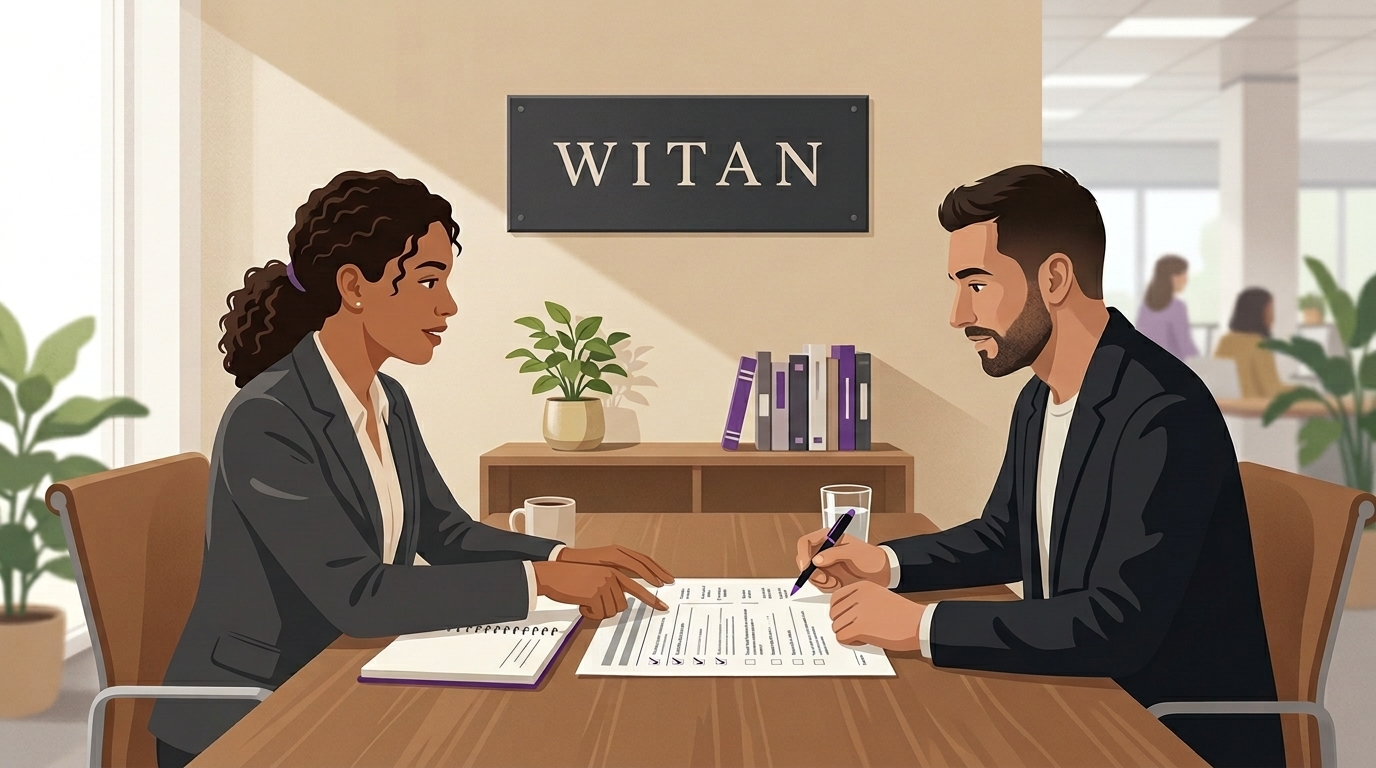
For those in a business partnership, it is important to enter into a clear partnership agreement, setting out how matters will be handled between you. While partnerships usually start off on a good footing, over time, disagreements can arise.
A robust partnership agreement can reduce the risk of misunderstandings and set out how disputes will be handled, should they arise. Even if conflict is not resolved immediately, the right agreement can prevent a long-running or bitter battle between partners that could have the capacity to destroy a business.
A business partnership also gives you the opportunity to decide how you want to deal with other issues, such as liability for debt, share of profits, and management.
Summary
- What is a business partnership?
- What are the advantages of a partnership?
- Should I use a partnership agreement?
- What happens if you do not have a partnership agreement?
- Should a partnership agreement be in writing?
- Problems with informal partnership agreements
- What happens if a partner is made bankrupt?
- What goes in a partnership agreement?
- Can a partnership agreement be changed?
What Is A Business Partnership?
A partnership arises where two or more parties engage in a business together. Partnerships can be:
- General partnerships, where each party has full and unlimited personal liability for debts and each partner is jointly and severally liable for any debts, unless a partnership agreement states otherwise
- Limited liability partnerships, known as LLPs, where liability is limited to the amount a partner has invested
- Limited partnership, which is a mixture of the two, with the liability of some partners restricted to the amount of capital they have invested, while other partners have full liability and more control
Partners are taxed on a personal basis, meaning that the partnership is not taxed as a whole. This is generally more straightforward and can be advantageous for the partners.
What Are The Advantages Of A Partnership?
A partnership can be beneficial for many reasons, including:
- Creating a stronger business together with other experts, giving you access to finance and the ability to take on bigger projects
- The sharing of risk and responsibility, including in running the business and dealing with administrative tasks
- The support of fellow experts, both in dealing with work and in taking on more jobs and having cover for holidays or illness, as well as in difficult times
- The ability to talk through decisions and benefit from others’ points of view before taking action
- Access to more connections and contacts within the industry
Should I Use A Partnership Agreement?
A partnership agreement is always recommended. Without a written partnership agreement, your operation will be governed by the Partnership Act 1890 (the Act), which is considered to be outdated and may well not deal effectively with certain issues should you face them.
When putting a partnership agreement in place, you and your fellow partners have the opportunity to consider exactly how you want matters to be handled and what ground rules you want. The agreement will generally overrule the Act.
You can give some partners more control than others, for example, if some have invested more into the business or are more hands-on, and limit liability for debts in some cases.
What Happens If You Do Not Have A Partnership Agreement?
If you do not have a partnership agreement and the Act applies, you could face a range of difficulties, including the following:
- Capital, profits, and losses are shared equally between all partners
- Liability will automatically extend to all partners, including for debts they did not incur or that were incurred without their agreement or knowledge
- All partners are equally entitled to manage the partnership
- If someone leaves or dies, the partnership is automatically at an end
- There is no mechanism for removing a partner
- In the event of a dispute, there is no requirement to attempt to resolve matters out of court
Should A Partnership Agreement Be In Writing?
If your partnership agreement is not in writing, it is held to be a partnership at will, and is governed by the terms of the Act.
For clarity, your partnership agreement should always be in writing.
Problems With Informal Partnership Agreements
Again, if a partnership agreement is informal, the Act will apply. In order to avoid the potential difficulties of this, you should have a bespoke partnership agreement drafted for your business.
A verbal partnership agreement is possible, but it leaves extremely wide scope for disagreement, and it will be difficult to prove the terms, should issues arise.
What Happens If A Partner Is Made Bankrupt?
If the Act applies, then the partnership is automatically dissolved should a partner become bankrupt. All partners will be liable for the debts of the partnership. This option is likely to cause extreme difficulties, as bank accounts may be frozen, and the partnership’s assets used to cover any outstanding debts.
Where a partnership agreement has been put in place, this will set out how bankruptcy will be dealt with. Common clauses that are used to cover this situation include:
- The partnership will remain in force
- The other partners will have the option to buy out the bankrupt partner
- The bankrupt partner’s share will be professionally valued
- The bankrupt partner will be expelled from the partnership and will no longer have any authority within the partnership
- The bankrupt partner’s capital in the business will be paid to their trustee in bankruptcy, potentially in instalments to protect the stability of the partnership
What Goes In A Partnership Agreement?
Specialist partnership agreement solicitors can work with you to identify exactly what should go in your bespoke partnership agreement to protect the partners and your assets in the way that you want.
They will talk through how you wish to deal with issues such as management, taking on debt, admitting new partners, and distribution of profits, and draft a comprehensive agreement.
Key clauses that are usually found in a partnership agreement include:
- What capital and cash contributions partners will make, and what this will entitle them to, for example, the share of ownership they will acquire
- How profits, losses and debts will be shared
- What authority each partner will have
- What roles partners will play, and what management tasks they will undertake
- How partners will be admitted to the partnership
- How partners can be removed from the partnership
- The exit process for partners who wish to leave the partnership
- What happens should a partner die or become bankrupt
- How the partnership can be ended
- What process must be followed in the event of a dispute, which will generally require the parties to engage in alternative dispute resolution rather than going straight to litigation
Can A Partnership Agreement Be Changed?
A partnership agreement can be modified or changed if all partners are in agreement. It is advisable to go through the agreement on a regular basis to ensure that it still protects your business and your interests adequately.
If not all partners are in agreement about changes, it can be helpful to work with a professional to try to find a negotiated solution.
If matters are not addressed, there is an increased potential for disputes.
Contact our partnership solicitors
If you need advice on a partnership or a comprehensive partnership agreement, contact experienced corporate solicitors to discuss your options for drafting a new partnership agreement, or interpreting an existing agreement.
To speak to one of our expert corporate solicitors, ring us on 0300 303 2071, email us at info@witansolicitors.co.ukor fill in our contact form, and we will talk through your situation with you. We have offices in Birmingham, Northampton, London and Wellingborough.
Partnership Agreement Frequently Asked Questions
What are the disadvantages of a partnership?
Communication is crucial within a partnership to avoid disagreements. There can be personality clashes, particularly if it is felt that one partner is not pulling their weight or contributing sufficiently.
Once a partnership has been formed, partners can only operate within the terms of the agreement, meaning matters might not be handled in the way that they want. Depending on the type of partnership, they could face liability for debt, even if they initially disagreed with taking it on.
It can be difficult to make changes once a partnership is in place, and exiting can leave a partner needing to start again to build a business from scratch.
Can a company be a partner?
A company can be a partner in a mixed partnership. This type of partnership allows entities such as companies or trusts to enter into partnerships.
This is more complex than a partnership between individuals, including in respect of the company’s rules, tax liabilities, and liability for business debts, so it is crucial to take legal advice when putting this type of partnership agreement in place.
If a company wishes to become a partner, it will need to have the authority to do so set out in its articles of association.
How are partnership profits and losses dealt with?
Under the Act, profits and losses are shared equally. In a bespoke partnership agreement, partners can choose how these are shared as they see fit. For example, if one partner has contributed more capital, they could be entitled to a larger share of the profits.
How can one of the partners exit a partnership?
The partnership agreement should set out how to exit the partnership. There will generally be a requirement to give a set period of notice, and it is important to comply with this to avoid penalties and ensure the exit is compliant.
There will usually be details of how a partner’s interest is to be valued and how their share will be bought out by the other partners, and a deed will need to be signed by the individual leaving.
What obligations do partners have when exiting a partnership?
The exiting partner must give the required notice in accordance with the partnership agreement, and sign any paperwork making their exit official.
They will be liable for any obligations set out in the partnership agreement, as well as for their taxes.
They may need to repay advances or capital to the partnership and return any partnership property. The agreement will generally impose confidentiality on all partners, as well as preventing a partner from poaching clients or setting up in competition within a certain timeframe or geographical area.
Do partners have personal liability for tax?
Partners are responsible for their own taxes and tax reporting. In addition, a partnership tax return must be filed with HMRC.