As a commercial landlord, you rely on tenants to use and maintain your rental property responsibly. A well-managed tenancy protects the value of your asset, reduces repair costs, and prevents avoidable disputes. Yet misunderstandings about tenant responsibilities are common, particularly where leases are long, business operations are complex, or obligations have not been clearly communicated.
This article provides a comprehensive legal overview of the responsibilities commercial tenants typically hold under a lease, how those obligations operate in practice, and what you can do to ensure they are met. The focus here is exclusively on commercial lettings.
If you need guidance on residential landlord and tenant responsibilities, you can read Witan Solicitors’ related articles Landlords Responsibilities for Repairs: What Tenants Can Legally Expect and Landlord Legal Responsibilities in the UK: A Legal Guide.
Clear expectations, proactive communication, and well-drafted repairing covenants are the foundation of a smooth commercial tenancy. Understanding the legal framework helps you protect your position from day one.
Summary
- The Duty of Care: “Tenant-Like Manner”
- Specific Responsibilities for Interior Maintenance
- Responsibilities Regarding Repairs and Reporting
- Liability for Damage
- Alterations and Decorations
- Garden and Exterior Responsibilities
- Waste Disposal and Rubbish
- Preventing Disputes and Maintaining Communication
- Ending the Tenancy
The Duty of Care: “Tenant-Like Manner”
Although commercial leases are primarily contractual, the long-established principle of using premises in a “tenant-like manner” still shapes how courts interpret a tenant’s basic duty of care. This common law concept originates from the case of Warren v Keen [1954] where Lord Denning explained that tenants must “do the little jobs about the place which a reasonable tenant would do.”
In commercial lettings, this duty operates alongside the express repairing covenants in the lease. It does not replace those covenants, but it reinforces the expectation that the tenant will not allow avoidable deterioration.
What You Can Expect From a Commercial Tenant
Your tenant should:
- Take reasonable care of the premises during everyday business use.
- Avoid causing damage through negligence, misuse, or unsafe operations.
- Keep the premises reasonably clean and hygienic.
- Use fixtures, fittings, and equipment responsibly.
- Carry out minor tasks any reasonable occupier would undertake, such as replacing light bulbs or keeping internal areas tidy.
These expectations apply regardless of the repairing covenant in your lease.
What This Duty Does Not Cover
The duty of care does not require a tenant to carry out repairs that fall under your responsibility, nor does it oblige them to address structural issues unless the lease expressly transfers that obligation to them.
A tenant is not expected to improve the property beyond its original condition, and they are not responsible for remedying inherent defects or problems arising from the building’s age or design.
In commercial lettings, the express repairing covenant always governs the scope of responsibility. The “tenant-like manner” duty simply reinforces the expectation that the tenant will use the premises sensibly and will not allow avoidable deterioration.
Specific Responsibilities for Interior Maintenance
Most commercial leases require tenants to maintain the interior of the premises. The extent of this obligation depends on the repairing covenant; for example, a full repairing and insuring (FRI) lease places significantly broader responsibilities on the tenant than an internal-only repairing lease.
Interior Obligations You Can Rely on
Commercial tenants are typically responsible for:
- Keeping fixtures and fittings clean and in good working order.
- Replacing consumables such as light bulbs, filters, and batteries.
- Maintaining cleanliness to prevent pest infestations, mould or hygiene issues.
- Avoiding damage to walls, floors, ceilings, and internal finishes.
- Unblocking sinks, toilets, and drains where the blockage arises from their use.
These obligations protect your property from deterioration caused by everyday business activity.
Ventilation and Environmental Control
Commercial tenants must also manage ventilation and environmental conditions within the premises. This means using extraction systems correctly, preventing excessive moisture from building up, and operating heating, ventilation, and air-conditioning (HVAC) systems responsibly.
Tenants are expected to ensure that their business activities do not create conditions that could damage the property, such as fumes, steam, or excessive heat. Where specialist ventilation or HVAC systems have been installed specifically for the tenant’s operations, the lease will often require them to maintain those systems at their own cost.
Responsibilities Regarding Repairs and Reporting
Even where you retain responsibility for certain repairs, commercial tenants have a clear duty to report issues promptly. This is essential for preventing deterioration and ensuring compliance with health and safety regulations.
What Tenants Must Report
Tenants should notify you immediately if they become aware of:
- Structural problems.
- Water leaks.
- Electrical faults.
- Damage to shared areas.
- Issues affecting fire safety or statutory compliance.
- Any defect that could worsen if left unattended.
Prompt reporting protects your investment and reduces the risk of costly damage while ensuring both you and your tenant remain compliant with legal and regulatory obligations, including health and safety standards, statutory maintenance requirements, and any duties imposed under the lease or relevant commercial property legislation.
What Tenants Are Not Responsible for
Unless the lease expressly transfers those obligations, your commercial tenants are not required to repair structural defects, deal with roof issues, remedy external deterioration, or carry out major repairs that fall under your responsibility as landlord. Those are generally your responsibility.
Consequences of Failing to Report
If your tenant fails to report a repair issue promptly, or attempts to avoid reporting it altogether, they expose you to significant risk and may be held liable for any resulting consequences. This can include additional deterioration to the premises, the financial costs caused by the delay, breach of their duty to use the premises responsibly, breach of statutory obligations, and even exposure to enforcement action under the lease, including the potential for forfeiture in serious cases.
Clear reporting procedures in the lease, including named contacts and time limits, help you enforce these expectations. For more detail on landlord repair obligations, read Witan Solicitors’ article What Is a Landlord Responsible for in a Commercial Lease?
Liability for Damage
Commercial tenants are liable for damage they cause to the rental property, whether through negligence, misuse, or intentional actions. This includes damage caused by employees, contractors, customers, and visitors.

Fair Wear and Tear vs Tenant Damage
Fair wear and tear reflects the natural and unavoidable decline that occurs through normal use of the premises over time. In contrast, tenant damage arises where deterioration is caused by carelessness, unsafe business operations, improper use of equipment, failure to maintain adequate cleanliness, or failure to follow required health and safety procedures. These behaviours go beyond ordinary use and can leave the tenant liable for putting the property at risk.
Examples of damage caused by the tenant include:
- Damage to flooring caused by dragging heavy machinery.
- Holes drilled into walls without consent.
- Water damage caused by failing to report a leak.
- Burn marks, stains, or chemical damage.
- Breakage of fixtures due to misuse.
Responsibility for Third Parties
Your tenants are responsible for the behaviour and actions of anyone they allow onto the premises, including staff, subcontractors, customers, visitors, and delivery personnel. If any of these individuals cause damage, the tenant remains liable under the lease, and you can pursue them for the cost of putting the property back into the condition required by the tenancy.
Alterations and Decorations
Alterations are one of the most common sources of dispute in commercial lettings. Most leases require tenants to obtain your written consent before making any changes to the premises.
Alterations Requiring Consent
Tenants generally cannot:
- Remove or relocate internal walls.
- Install new fixtures or equipment affecting the building fabric.
- Change the layout of the premises.
- Install signage, security systems, or external features without approval.
- Carry out electrical or plumbing works without consent.
Where you grant consent, you can impose conditions to ensure the works are carried out safely, lawfully, and to an appropriate standard. This may include requiring the tenant to use qualified contractors, comply with all relevant building regulations, provide accurate as-built drawings once the works are completed, and reinstate the premises to its original condition at the end of the tenancy if required by the lease.
Redecoration Obligations
Commercial leases often require tenants to keep the premises decorated to a reasonable standard, ensuring that the interior remains presentable and suitable for business use throughout the term.
Many agreements specify intervals at which redecoration must take place, placing the responsibility on the tenant to repaint or refresh the decoration as needed.
At the end of the tenancy, tenants are usually required to return the premises to its original decorative condition unless you have agreed otherwise. Clear reinstatement clauses in the lease are essential, as they help you avoid disputes over the state of the property when the lease ends.
Garden and Exterior Responsibilities
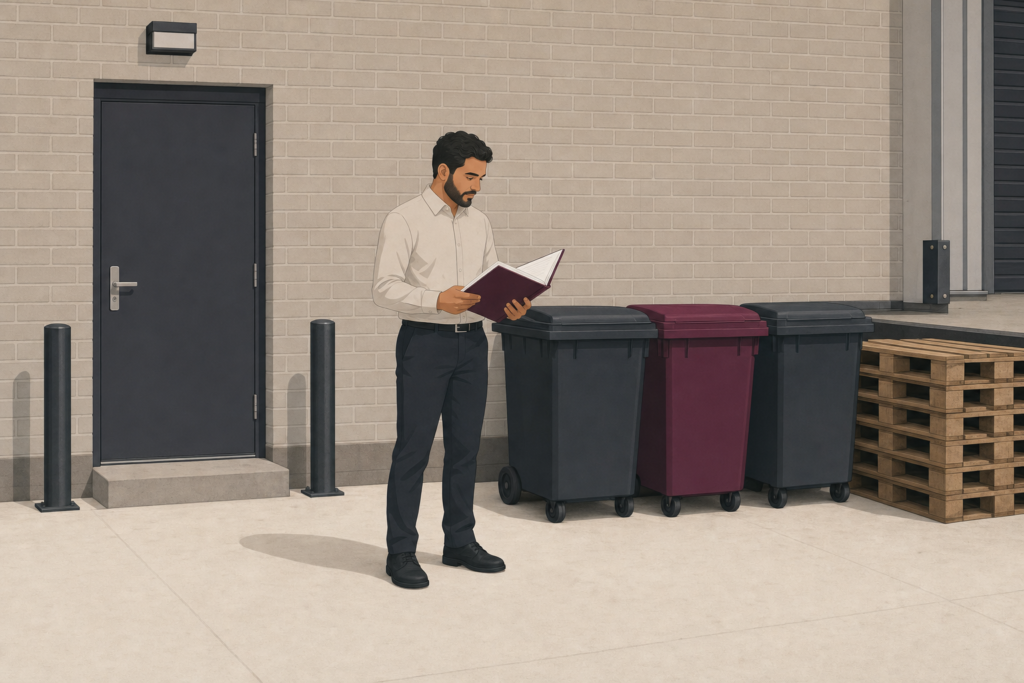
Where commercial premises include external areas such as yards, forecourts, loading bays, or landscaped areas, tenants may have specific maintenance duties.
Typical Exterior Responsibilities
These may include:
- Basic garden maintenance (mowing, weeding, trimming).
- Keeping pathways, access routes, and loading areas clear.
- Maintaining cleanliness in outdoor areas.
- Avoiding damage to fences, gates, signage, or external structures.
- Ensuring waste is stored correctly and does not attract pests.
What Tenants Are Not Responsible for
Unless the lease states otherwise, tenants are not responsible for structural repairs to external walls, roof maintenance, major landscaping works, or repairs to boundary structures caused by storms or vandalism. These obligations remain with you as the landlord.
Clear allocation of exterior responsibilities is essential, particularly where outdoor areas are shared between multiple tenants. This helps prevent confusion and reduces the risk of disputes.
Waste Disposal and Rubbish
Proper waste management is essential in commercial premises, particularly where business operations generate significant disposal waste.
Tenant Obligations
Your tenants must:
- Use designated bins and waste storage areas.
- Comply with recycling and commercial waste regulations.
- Arrange appropriate commercial waste collection services.
- Prevent waste build-up that could cause hygiene issues or attract pests.
Fly-Tipping
If your tenant disposes of waste improperly, including fly-tipping, they may face liability under the lease, enforcement action from the local authority, environmental penalties, and an obligation to reimburse you for the costs of removal and remediation. Clear waste-management clauses are essential for industrial, retail, and hospitality premises.
Preventing Disputes and Maintaining Communication
Most landlord and tenant disputes do not arise from the lease wording, but from misunderstandings, poor communication, or lack of documentation. You can significantly reduce risk by encouraging your commercial tenants to follow best practice.
How Tenants Can Help You Avoid Disputes
Your tenants should:
- Communicate openly and promptly about issues.
- Document all interactions with you, including repair requests and approvals.
- Adhere strictly to the terms of the lease.
- Keep records of maintenance, servicing, and inspections.
- Take photographs or videos at the start and end of the tenancy.
- Follow reporting procedures for defects or damage.
What You Can Do as Landlord
As landlord, you can support a smooth and well-managed tenancy by providing clear contact details, conducting regular inspections, keeping written records of all communications, and ensuring that service-charge information is transparent and easily accessible. These practices strengthen accountability and reduce the likelihood of misunderstandings.
For guidance on managing disputes and enforcement, you can read Witan Solicitors’ article Commercial Eviction Process: Court, Possession Claims & Renewal Disputes
Ending the Tenancy
When a commercial tenancy ends, the tenant must return the premises in the condition required by the lease. This is usually the condition at the start of the tenancy, subject to fair wear and tear and any reinstatement obligations.
End-of-Tenancy Obligations
These typically include:
- Leaving the premises clean and tidy.
- Removing all business equipment, stock, and personal items.
- Completing any required reinstatement works.
- Repairing damage caused during the tenancy.
- Returning keys, access cards, and any security devices.
- Providing forwarding contact details.
Where a schedule of condition was used at the start of the lease, it becomes the benchmark for assessing dilapidations.
For further detail on obligations at the end of a commercial lease, read Witan Solicitors’ article Commercial Eviction Process: Court, Possession Claims & Renewal Disputes
Legal Expert Advice
Commercial tenants have clear responsibilities when occupying a rental property, from maintaining the interior to reporting repairs, managing waste, and avoiding damage. Understanding these obligations and ensuring they are clearly set out in the lease is essential for protecting your investment and preventing disputes.
By encouraging open communication, documenting interactions, and conducting regular inspections, you can maintain a positive landlord–tenant relationship and reduce the risk of costly disagreements.
Our Commercial Property Disputes Team can give you tailored advice on drafting commercial leases, enforcing tenant responsibilities, or resolving disputes throughout the tenancy. You can contact Witan Solicitors through our online enquiry form or call us on 0300 303 2071.
FAQs
1. What responsibilities does a commercial tenant have under a UK lease?
A commercial tenant is required to comply with the terms of the lease, maintain the premises to the standard set out in the repairing covenant, use the property only for authorised purposes, and obtain consent before making alterations. They must also meet health and safety obligations relating to their business operations and ensure that any equipment or installations they introduce are safe and properly maintained. These duties form part of the contractual framework of the lease and are enforceable throughout the tenancy.
2. Who is responsible for repairs in a commercial property? The landlord or the tenant?
Responsibility for repairs depends entirely on the wording of the lease. In a full repairing and insuring (FRI) lease, the tenant is responsible for most repairs, including internal and external features. In an internal-only repairing lease, the landlord retains responsibility for the structure and exterior. Regardless of the repairing covenant, tenants must report defects promptly and avoid causing deterioration through misuse or neglect. Clear allocation of responsibilities in the lease is essential to prevent disputes.
3. Can a commercial tenant be evicted for breaching their obligations?
A serious breach of covenant such as failing to maintain the premises, ignoring statutory obligations, or causing significant damage can give the landlord grounds to pursue forfeiture if the lease allows it. Forfeiture is a legal process and must be carried out correctly, but it remains a powerful enforcement tool where a tenant’s conduct puts the property or the landlord’s position at risk. Early communication and formal notices are usually required before any eviction action can proceed.
4. What costs should commercial tenants expect beyond rent?
Commercial tenants typically pay service charges, insurance contributions, business rates, utilities, and VAT where applicable. Service charges may cover maintenance of shared areas, compliance works, management fees, and contributions to building-wide systems. These additional costs can be substantial, so tenants should review the lease carefully and request a clear breakdown of anticipated charges before signing.
5. What happens at the end of a commercial tenancy?
At the end of the tenancy, the tenant must return the premises in the condition required by the lease, subject to fair wear and tear. This usually includes cleaning the premises, removing business equipment, completing reinstatement works, repairing any damage caused during the term, and returning keys or access devices. If a schedule of condition was used at the outset, it becomes the benchmark for assessing dilapidations. Clear end-of-tenancy procedures help avoid disputes and ensure a smooth handover.