It is often preferable to settle a business disagreement by way of alternative dispute resolution rather than by going to court.
Commercial dispute resolution involves ending a disagreement, usually by commencing legal discussions or court proceedings or by reaching a consensus between the parties through a process known as alternative dispute resolution.
Generally speaking, alternative dispute resolution is quicker and more cost-effective than litigation and it also offers the chance for the parties to repair their relationship.
What is commercial dispute resolution?
Dispute resolution is the term used for resolving legal arguments between two or more businesses. There are a number of ways in which this can be achieved.
Alternative dispute resolution is the process of bringing disputing parties together to find a mutually acceptable solution to their disagreement without going to court. There are various forms of alternative dispute resolution, namely, Arbitration, Mediation, Expert Determination, neutral evaluation to name a few. For example, a Meditation will usually be guided by a qualified professional who will work with the parties, either together or in separate meetings, to find common ground and work out a way forward.
The solution will be agreed upon by all of those involved, unlike litigation, where one party will usually have an unwelcome ruling imposed upon them.
The different types of dispute resolution
There are different types of dispute resolution available, as follows:
Pre-action discussion
The first stage of dispute resolution is often to ask lawyers who are experts in the field to enter into correspondence and negotiation with the other side. By setting out the case clearly and explaining what result is acceptable, it is often possible to find a solution without the matter having to go any further. This is usually the most cost-effective option.
Alternative dispute resolution
If the matter cannot easily be resolved, then alternative dispute resolution can often help the parties find a solution without resorting to litigation. There are several different methods available, including mediation, arbitration and conciliation.
Mediation involves meeting with a trained mediator who will help the parties understand each other’s point of view and encourage them to reach a decision together. Documents are exchanged and meetings held, but it is substantially less time-consuming than litigation.
The mediator is impartial and will not make any decisions, but will help the parties to find an outcome that they are both able to agree upon.
Arbitration is also conducted by an impartial adjudicator, but in this case, they will make a decision based on the facts presented to them which is generally legally binding.
It is usually more cost-effective than litigation and there is the option to appoint an arbitrator with particular expertise in the relevant area. An arbitrator also has more flexibility than a court in the solution they award, with a court generally only able to make deadlines and financial orders and penalties.
Conciliation is similar to mediation, although it is often not dealt with face-to-face. Early conciliation can be used to try and resolve an issue quickly before the parties’ positions become entrenched.
Litigation
Court action, or litigation, involves preparing a legal case to put before a judge. It can be time-consuming and usually more expensive than other forms of dispute resolution. The court will make an order based on a hearing of the facts of the case and this will be legally binding on all parties.
The benefits of dispute resolution
Negotiation and alternative dispute resolution are generally quicker and cheaper methods of ending a legal disagreement than litigation and allow the parties to focus on their business rather than a lengthy and damaging dispute.
Alternative dispute resolution such as mediation also offers a chance for the parties to repair their relationship and even to potentially resume doing business together, for their mutual benefit.
Mediation can be particularly beneficial because the outcome is agreed upon by all concerned, and no one has an unwanted result imposed upon them. A win for both parties.
What happens during mediation
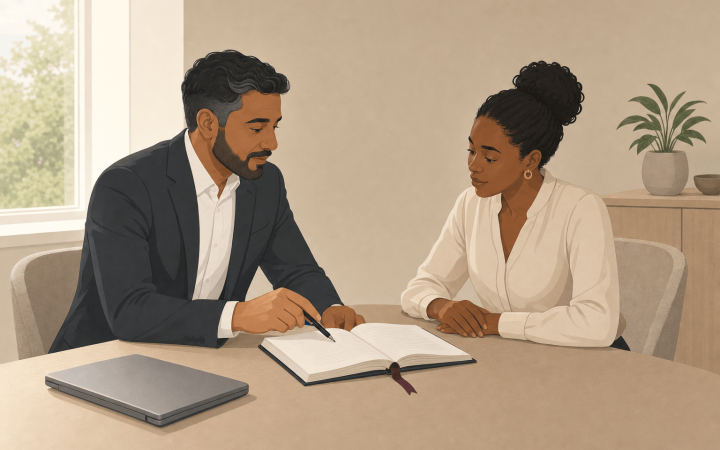
During mediation, the mediator will meet with both parties, separately if necessary, and listen to their concerns. They will help them see each other’s position and suggest ways of exploring potential ways forward.
The parties would usually have their legal representatives with them to advise and assist in protecting their rights and reaching a satisfactory conclusion.
Commercial dispute resolution with Witan Solicitors
At Witan Solicitors, we advise and represent clients in complex, high value and significant commercial disputes across a wide range of sectors. Our commercial disputes team have extensive expertise in working to resolve difficult disagreements as well as an excellent track record of success.
We can enter into discussions with other parties, negotiate robustly on your behalf and put together a strong case presenting the relevant facts and law.
If your business is involved in a legal dispute and you would like to discuss your options with an expert company and commercial disputes lawyer, email us at info@witansolicitors.co.uk or fill in our contact form. We have offices in Birmingham, London, Northampton and an associate office in Faro Portugal.