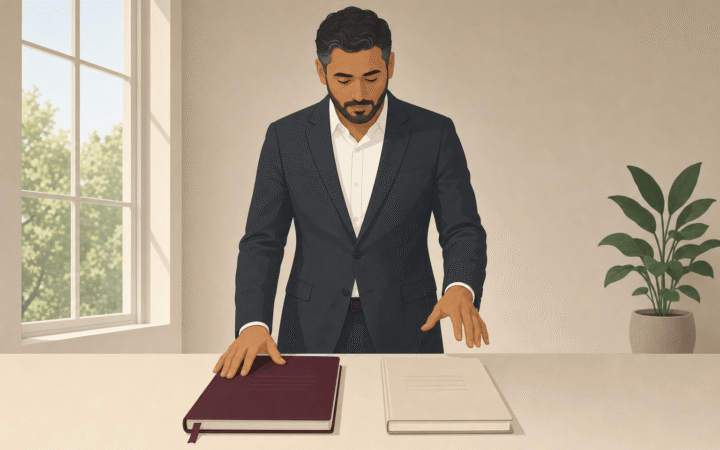
Unfortunately, yes, there are really family disputes over ashes. In fact, you may be shocked to learn that, with the increase in the number of people choosing to be cremated, family disputes over a loved one’s remains are on the rise. A fifth of all funeral disputes concern where the deceased ashes or body will go.
During these emotional and stressful times, it is important then to understand who has the right to decide how a body or someone’ ashes are to be dealt with and who can arrange the funeral. Keep reading to learn more.
Why Do Disputes Occur?
Disputes over the handling of ashes can arise for various reasons, reflecting the diverse beliefs and preferences surrounding end-of-life arrangements. These disputes frequently revolve around decisions related to burial versus cremation, the chosen location for the final resting place, the type and style of the ceremony, and the individuals permitted to attend or participate in the commemorative event.
Here are 5 reasons families fall out over ashes and burial disputes:
1. Burial or Cremation
One common source of dispute is the choice between burial and cremation. Individuals may hold strong convictions regarding the spiritual or cultural significance of either method, leading to disagreements among family members or between the deceased’s wishes and those of their surviving relatives.
2. Location of Burial
Deciding where to scatter or inter the ashes can be another contentious issue. Different family members may have varying opinions on the most appropriate place, be it a designated cemetery, a family plot, a natural burial ground, or even a specific scenic location significant to the deceased.
3. Type and Style of Ceremony
Divergent views on the type and style of the memorial ceremony can be a significant point of contention. Some may prefer a religious service, while others lean towards secular or non-traditional ceremonies. Additionally, disputes may arise over whether the ceremony should be elaborate and formal or simple and intimate.
4. Attendance and Participation
The question of who is entitled to attend or actively participate in the ceremony often becomes a focal point of disputes. Family dynamics, strained relationships, or varying interpretations of the deceased’s wishes can contribute to disagreements regarding who should have a role in the farewell event.
5. Specific Details
Disputes may extend to the nitty-gritty details of the ceremony, including the date, timings, choice of music, selection of flowers, and readings. Differences in personal preferences and interpretations of the deceased’s preferences can create tensions, with family members and loved ones struggling to find common ground on these specific aspects.
In navigating these disputes, it is crucial for all parties involved to engage in open and empathetic communication. Additionally, having clear and legally binding documentation of the deceased’s wishes, such as a will or advance directive, can help mitigate potential conflicts and ensure a more harmonious commemoration of their life.
Who Takes Ownership of the Deceased’s Body?
Firstly, the general rule is that there is ‘no property in a corpse’, meaning a dead body cannot be owned. Nor can a body be gifted, bought, or sold. It can only be donated for medical and scientific research and advancement in line with the deceased’s wishes.
The Ownership of Ashes
The Cremation (England and Wales) Regulations 2008 goes as far as to determine two key rules: Rule 15 and Rule 30. Rule 15 determines who can apply for a cremation, and Rule 30 states whom the ashes can be handed over. However, the legislation does not provide a clear judgment on whether ashes are capable of being owned.
So, this raises the question, who is then responsible for the deceased’s body or ashes?
Who Has The Rights Over the Ashes or Body?
The individual responsible for determining the course of action of the body or ashes is the one who has been obligated to handle the disposal. And, for this, a family must turn to the deceased’s will.
In cases where the deceased has made a valid will, the will executor(s) will take on the responsibility of carrying out their wishes or making the arrangements as they see fit. They take on the possession of the body to fulfil their duty to dispose of it lawfully and properly.
In most cases, the will executor(s) is likely to involve the deceased’s family and follow the funeral instructions left by the deceased to avoid conflict. However, the deceased wishes are not legally binding.
What If There Is No Will?
If there is not a valid will to turn to, the person with a priority of intestacy will be entrusted with the possession of the body.
The rules of intestacy determine how a person’s estate is distributed when they die without a valid will and the priority is generally as follows:
- Spouse or Civil Partner: The surviving spouse or civil partner is usually the first in line to inherit the estate. However, the amount they receive may depend on the presence of other surviving relatives.
- Children: If there is no surviving spouse or civil partner, the estate is typically divided among the deceased person’s children. If a child has predeceased the deceased person, their share may pass to their children (the deceased person’s grandchildren).
- Parents: If there are no surviving spouse, civil partner, or children, the next in line is the deceased person’s parents.
- Siblings: If there is no surviving spouse, civil partner, children, or parents, the estate may pass to the deceased person’s siblings or their descendants.
The distribution of the estate becomes more complex if there are no surviving close relatives. In such cases, the estate may pass to more distant relatives, and if no relatives are found, the estate may go to the Crown.
The responsibility of deciding what happens to the body and ashes will also follow this priority of intestacy; however, in instances where there are no personal representatives or the relative in question does not want this responsibility, the duty of disposing of the body falls to the local authority.
Resolving Family Disputes Over Ashes
The court can make orders about the disposal of the body under Section 116 of the Senior Courts Act 1981. It states that, within the authority of the High Court, the court possesses the jurisdiction to determine the individual with control over the burial of a deceased person’s body in the presence of a legitimate dispute. Seeking an injunction is an option to halt the burial until the resolution of the dispute.
From previous cases, Hartshorne v Gardner [2008] and Anstey v Mundle [2016], it is known that a court will consider the following:
- Decent and respectful disposal without undue delay
- The deceased’s wishes
- The wishes of family and friends
- The location with which the deceased was mostly connected
If you are currently experiencing a family dispute over ashes or the body of a loved one, it is recommended that you seek legal assistance as soon as possible. With emotions running high, a dispute resolution solicitor can help you maintain clear and reasonable correspondence. With their expertise, they can help to resolve your dispute through compromise and mediation, using court proceedings as a last resort.
Call our burial dispute resolution solicitors today at info@witansolicitors.co.uk for help and advice with your family dispute. Our team are always here and happy to help in your time of need.
FAQ
Who possesses the rights to an individual’s cremated remains?
The rights over someone’s ashes typically lie with the person named in the deceased’s will or, if there is no will, with the closest living relative. This individual is legally entitled to make decisions regarding the handling and disposal of the ashes.
Who is entitled to claim ownership of the ashes?
The right to the ashes is generally granted to the person designated in the deceased’s will. In the absence of a will, the closest living relative, usually the next of kin, has the legal entitlement to claim ownership and determine the appropriate handling and disposition of the ashes under UK law.
Do the next of kin hold legal rights to cremated remains?
The next of kin hold significant legal rights to the deceased person’s ashes. If there is no explicit instruction in the will, the closest living relative, typically the next of kin, is granted the authority to make decisions regarding the ashes’ final resting place or any other related matters.
Is it acceptable to divide the ashes of an individual?
Splitting someone’s ashes is permissible under UK law, but it is crucial to have the consent of all parties involved. If the deceased’s will specifically address the division of ashes, that instruction should be followed. In the absence of such guidance, the closest living relative or the person designated in the will has the legal authority to make decisions regarding the division of the ashes, ensuring that any actions taken align with the deceased’s wishes and comply with relevant regulations.
Image by Freepik