Tenants have the right to live in a habitable property that is safe and healthy. The Homes (Fitness for Human Habitation) Act 2018 provides that a property must be free from serious hazards and fit to live in throughout the whole of the tenancy period.
What is the Right to a Habitable Property?
The legal right to a habitable property arises under the Landlord and Tenant Act 1985, as amended by the Homes (Fitness for Human Habitation) Act 2018.
The government publishes a Guide for tenants explaining your rights in detail.
Private and social landlords are obligated to keep their properties safe, healthy for tenants and free from serious hazards throughout the period of the tenancy.
Core requirements include:
- A sound roof and sound walls to keep the property weatherproof
- Safe stairs, floors and railings where necessary
- Secure doors and lockable windows
- Ceilings and foundations in good condition
- Safe drinking water
- Electrical lights and outlets that are safe
- Safe and reliable heating that provides a reasonable indoor temperature
- Functional sanitation
- Shower or bath facilities
- Smoke and carbon monoxide alarms
- Rubbish bins and rubbish removal
- Property ventilation
What Makes a Property Uninhabitable?
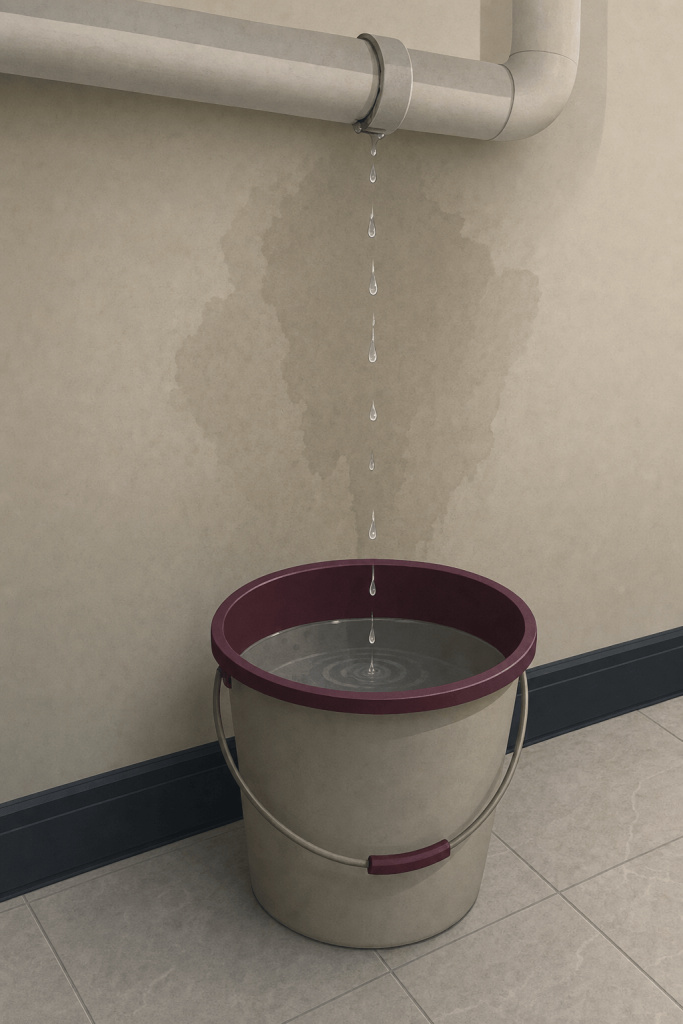
Issues that can make a property uninhabitable include:
- Extreme damp
- Faulty wiring
- Gas leaks
- Mould
- Structural issues
- Inadequate heating
- Poor state of repair
- Poor ventilation
- Inadequate natural light
- Issues with water supply, sanitation or drainage
- Exposure to chemicals, such as from mould or timber preservative treatments
- The presence of lead
- Radiation
What Are a Landlord’s Responsibilities?
Landlords need to carry out routine repairs and maintenance to keep the property in good repair and condition, as well as dealing with any issues that arise.
This includes the following:
- Carrying out servicing and repairs to utilities such as boilers and heating system
- Gas and electrical safety checks
- Maintaining the external fabric of the property to prevent leaks and draughts, including the roof, walls, windows and doors
- Keeping drains and gutters clear
- Addressing damp and mould promptly and in full
- Ensuring health and safety compliance, including the installation of smoke alarms on every floor and carbon monoxide alarms in any room with a fixed combustion appliance
Tenants are obligated to report issues to a landlord promptly, as soon as they arise.
Where an issue is reported, a landlord should deal with it within a reasonable time. This could be within three to seven days for urgent problems such as a non-functioning boiler or major roof leak, and within 24 hours for emergencies, for example, flooding, a gas leak or dangerous electrical wiring.
Routine maintenance, such as a dripping tap or minor breakages, should be dealt with in two to four weeks.
What Are a Tenant’s Responsibilities?
Tenants are obliged to care for the property and use it in a tenant-like manner, keeping it properly heated and ventilated to reduce the risk of mould or burst pipes, testing smoke alarms, reporting issues immediately and allowing access for safety checks.
Emergency exits must be kept clear and unauthorised or hazardous materials should not be brought to the property.
An issue should be reported to the landlord promptly.
Reporting Property Issues to a Landlord
Tenants should notify a landlord in writing as soon as an issue arises, making sure that the details are clearly explained. This can be by email or letter.
You can check your tenancy agreement for specific rights, as well as for the procedure for taking a complaint further if your report is not dealt with promptly. Where possible, you can attach photos to assist the landlord and so that you have evidence of the issue from the start.
Landlord’s Failure to Act
It is helpful to keep clear records of all issues, including details of the problem, copies of the notifications provided to the landlord along with the dates sent and any response received.
You can check that the landlord is legally required to remedy the problem and check the tenancy agreement for further details. This will usually include information on how to complain if the landlord does not meet their legal obligations.
You can report failures on the part of the landlord to the local authority’s environmental health team, which can carry out a Housing Health and Safety Rating System (HHSRS) inspection.
There is also a property ombudsman to whom complaints can be made.
Tenant’s Legal Remedies
Where a property has fallen into disrepair, a tenant can bring a housing disrepair claim in court. The court has the power to order repairs as well as requiring the landlord to pay compensation to the tenant.
To bring a claim, the tenant will need to have evidence of the issue, the report made to the landlord and their response or lack thereof.
A claim can be made to the county court by filing a claim form setting out a request for an order for specific performance, requiring the landlord to remedy matters.
Where a tenant has experienced stress and inconvenience, or possessions such as clothes have been damaged, compensation can also be requested.
Can I Withhold Rent if my Landlord doesn’t make repairs?
Rent should not be withheld, because this means that you, the tenant, are in breach of the tenancy agreement and could result in eviction.
Emergency Situations
Emergency situations should be dealt with by the landlord within 24 hours of being reported. These can include:
- Gas leaks
- Fire risks, such as damaged or exposed electrical writing
- Flooding
- Sewage issues
- Failure of the hot water and heating during extreme cold weather
An emergency should be reported to the landlord immediately, and the tenant should take action where possible to minimise any risks and damage, such as turning off the stopcock. The tenant is also obligated to take prompt action in calling the landlord.
Contact Our Landlord and Tenant Solicitors
By keeping a property in good repair and condition, a landlord stands a good chance of avoiding disrepair claims.
While tenants have the right to live in a habitable property, they also need to be aware of their obligation to look after the premises and report any issues promptly, as well as taking action to minimise damage.
Our experienced residential property solicitors provide comprehensive advice and guidance on a habitable property and property maintenance issues.
To speak to one of our experienced landlord and tenant solicitors, ring us on 0300 303 2071, email us at info@witansolicitors.co.uk or fill in our contact form and we will talk through your situation with you and discuss how we can assist. We have offices in Birmingham, Northampton, London and Wellingborough.