When a commercial lease is brought to an end, the tenant is generally obliged to return the property in good repair and condition. Any problems, known as terminal dilapidations, should usually be paid for by the tenant.
This often causes disputes, including over the original state of the property, whether the current condition is worse than in any schedule of condition attached to the lease, and the amount required to put the property in good repair.
We look at how a tenant can defend a terminal dilapidations claim at the end of a lease and the dilapidations claim process.
What Are Dilapidations and Why They Matter
It is usual for a commercial property tenant to enter into a full repairing and insuring lease. This means that the tenant will be responsible for keeping the property in good repair during the tenancy and returning it in a state of good repair and condition. This can be the case, even if the property was in poor repair at the start of the lease.
Generally, to avoid having to put a property into better condition than it was initially, a schedule of condition is prepared by a surveyor before the agreement is finalised and is attached to the lease. This should limit the tenant to returning the property in the same condition as it was at the start, and not impose liability for anything more.
Commercial dilapidations claims can be of high value, for example, if a new roof is required. Payment will also generally be sought for loss of rent for any period during which the property cannot be leased to a new tenant.
Interim vs Terminal Dilapidations: Key Differences
The landlord can also require repairs to be made during the tenancy, where necessary. These are interim dilapidations. Terminal dilapidations are those notified towards the end of the tenancy and are generally issues that the landlord wishes to resolve before reletting the property.
Interim repairs tend to be for more serious issues and to prevent a property from falling into disrepair. If a landlord arranges for emergency work to be carried out, they will seek to recover the cost of this from the tenant.
Terminal dilapidations can be more comprehensive and are likely to include putting the property interior back the way it was and carrying out repairs and decorations. If the tenant does not have time to carry out all of the work, then financial compensation may be agreed on instead, so that the work can be done after they leave.

The Lease Terms That Drive Liability
Common lease clauses that impose liability on a tenant for property condition include:
- Full repairing and insuring clauses, requiring the tenant to deal with all structural and other maintenance, as well as reimbursing the landlord for the buildings insurance
- A yield-up clause creates liability at the end of the lease, and generally includes removal of fixtures, reinstatement of alterations, repairs, decoration and deep cleaning
- Internal repairing, where only the condition of the internal part of the property is the tenant’s responsibility
- Standard of repair required, when a lease requires a tenant to ‘put’ a property into a good state of repair, they may be liable for putting the property into a better condition than it was at the start of the lease, depending on other lease terms and conditions
- Alterations removal, requiring a tenant to remove any alterations they have made and reinstate the property to its original condition
- Original state, which simply means returning the property to how it was at the start of the lease
- Periodic decoration requires the tenant to keep the painting and decorating in good condition
- Upgrading clauses can require a tenant to carry out work to comply with legal obligations, including in respect of fire safety, electrical safety, gas safety and energy efficiency
Terminal Dilapidations Protocol: Pre-Action Steps and Negotiation Process
The Dilapidations Protocol is a formal code that sets out how dilapidations disputes should be approached in the early, pre-action stages. It aims to reduce the number of cases reaching court, reduce costs for the parties and encourage constructive negotiation to find a prompt resolution.
Timeline: From Inspection to Claim
- Landlord inspection: towards the lease end, the landlord will generally visit the property and arrange for a formal inspection
- Within 56 days of the end of the lease, the landlord serves a Terminal Schedule of Dilapidations and a Quantified Demand, which is a breakdown of the sum they are requesting
- Within 56 days of receipt of the schedule and demand, the tenant serves a formal Response, replying to the points line by line
- Within 28 days of receiving the response, a meeting should be held to try to negotiate. This can be between the parties or their legal representatives or surveyors
- Both parties should set out the losses they are stipulating
- Where a solution cannot be found through negotiation, the parties should explore alternative methods of dispute resolution such as mediation
The Schedule of Dilapidations
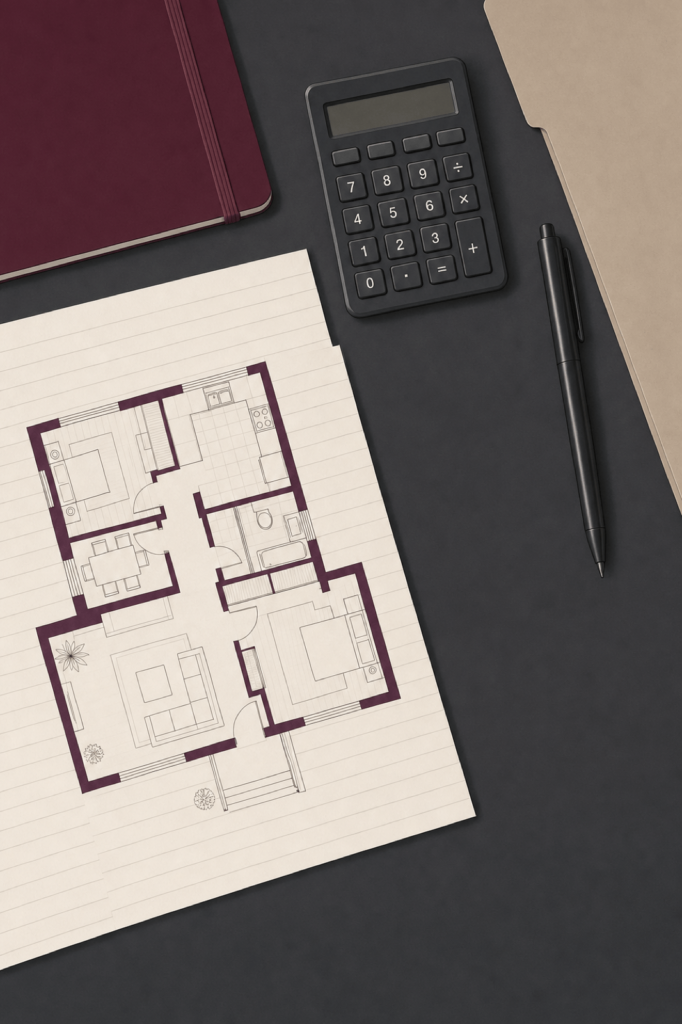
The schedule of dilapidations is prepared by a surveyor, who will take into account the tenant’s obligations under the lease.
It lists alleged breaches of the lease, together with clear details of the condition and location of any flaws.
It will also include any make good claims, or the work required to remedy the issue together with estimated or actual costs for the work.
It is prepared in accordance with the dilapidations protocol, and the inspection should be carried out by a qualified commercial property surveyor.
Landlord’s Loss and the Statutory Cap (How Damages Are Limited)
A landlord is entitled to recover the cost of work needed to restore the property in accordance with the terms of the lease. However, they are not permitted to profit from dilapidations work, nor can they claim for work that does not result from genuine financial loss or diminution in value.
Under Section 18(1) of the Landlord and Tenant Act 1927, there is a ceiling limiting the amount of damages a landlord can recover in respect of repairs and decorations. It should be noted that the legislation does not apply to any work required to reinstate the property to its original condition. Surveyors prepare Section 18(1) valuations as a basis for negotiations.
This states that, firstly, damages for breaching a repairing covenant cannot exceed the amount by which the property’s market value has fallen as a result of any disrepair. The valuer will include a diminution valuation when preparing their schedule.
Secondly, damages are not recoverable if it can be shown that the building is going to be demolished or substantially altered when or shortly after the lease ends. This is referred to as supersession. For example, if the landlord intends ripping out the interior of the property, they cannot claim for decorations as they have not suffered any loss.
Tenant Responses and Common Defences
A tenant will generally instruct their own surveyor to inspect the property and respond to the landlord’s Schedule of Dilapidations and Quantified Demand. Their response should be received by the landlord within 56 days of receipt of the schedule.
Common defences available to tenants in dilapidations cases include:
- Excessive claim for compensation, for example, overstating the cost of work to be carried out or quoting new-for-old replacements
- Claims for work the landlord is not entitled to under the terms of the lease
- The landlord’s claim exceeds the statutory cap, which is the fall in value of the property
- The landlord plans to demolish or make alterations to the property, meaning they have not suffered any loss
- The landlord would profit from the dilapidations payment, for example, if the new tenant will be carrying out comprehensive work themselves, meaning the landlord does not have to do any redecoration
- The landlord has not mitigated their losses, for example, they have failed to relet the property when they could have done, leading to more loss of rent than was necessary
Settlement Options: Works, Cash Settlements, and Timing Strategy
A tenant can arrange for work to be carried out themselves, but this must be done before the end of the lease.
Once the lease has terminated, the landlord will take over the responsibility. At this point, attempts are usually made to agree on a cash settlement to resolve matters, leaving the landlord to arrange repairs themselves. The figure is usually agreed upon after a period of negotiation, and tenants do not usually accept the first figure provided by the landlord.
Tenants can negotiate with a landlord before the end of the lease. Landlords often prefer to arrange work, and may be open to agreeing a lower sum on this basis.
Practical Tips to Reduce Disputes and Costs
Tenants should instruct their own surveyor and can ask a solicitor to represent them in negotiations. The first figure from the landlord is likely to be a basis to open discussions, and so tenants are usually able to negotiate this downwards.
Investigation can also be carried out into the landlord’s intentions for the property. Where they intend to demolish or a new tenant intends to carry out extensive internal alterations, the landlord may not have any grounds to require payment for decorations or other internal works.
Once a Terminal Schedule of Dilapidations and Quantified Demand are received, an expert surveyor can be used to go through these point by point and query any excessive figures or unnecessary works.
Contact Our Solicitors
Our experienced commercial landlord and tenant solicitors provide comprehensive advice and representation in lease dilapidations cases.
To seek our legal advice on your terminal dilapidations claim, ring us on 0300 303 2071, email us at info@witansolicitors.co.uk or fill in our contact form and we will talk through your situation with you and discuss how we can assist.