The decisions made during the design stage of a construction project can have significant consequences for health and safety, both during construction and throughout the building’s lifespan. Under The Construction (Design and Management) Regulations 2015 (the CDM Regulations 2015 or just CDM 2015), the principal designer plays a central role in identifying and managing these risks before work begins on site.
However, CDM designer duties extend beyond identifying potential hazards. Principal designers have specific legal responsibilities for planning, managing and coordinating health and safety during the pre-construction phase. Failing to understand these obligations, or appointing someone unsuitable for the role, can expose those involved to regulatory action, contractual disputes and additional costs.
This guide explains the principal designer’s statutory duties, their responsibilities for the health and safety file, and the legal implications of getting the appointment wrong.
What is a Principal Designer Under CDM 2015?
Under the Construction (Design and Management) Regulations 2015 (CDM 2015), the principal designer is responsible for planning, managing, monitoring and coordinating health and safety during the pre-construction phase of a project.
The role is intended to ensure that foreseeable risks are identified and addressed through design decisions, rather than leaving contractors to manage avoidable hazards once construction begins.
Separate dutyholder requirements under the Building Safety Act also apply under building regulations.
Who Can Be Appointed as Principal Designer?
The principal designer must be a designer with control over the pre-construction phase. This could be an architect, engineer or design consultancy, provided they have the necessary skills, knowledge, experience and, where relevant, organisational capability to fulfil the role. A principal designer must be a designer under CDM, but need not personally undertake design work on the project.
Importantly, the appointment is not simply an administrative responsibility. The principal designer must have sufficient influence over the design process to coordinate other designers and manage health and safety risks effectively.
Under Regulation 8, clients must take reasonable steps to ensure that those they appoint have the necessary capabilities to undertake their duties. The Health and Safety Executive (HSE) has more information about who can be a principal designer.
When Must a Principal Designer Be Appointed?
Under Regulation 5, a principal designer must be appointed where a project involves, or is reasonably foreseeable to involve, more than one contractor.
The appointment must be made in writing, as soon as practicable and before the construction phase begins. Ideally, this should happen early enough for the principal designer to influence key design decisions.
The principal designer works alongside the principal contractor, who has separate responsibilities for managing health and safety during construction. Both roles are essential to maintaining effective coordination throughout the project.
Principal Designer Duties Under Regulation 11
Regulation 11 of CDM 2015 sets out the principal designer’s core responsibilities. These focus on managing health and safety risks during the pre-construction phase and ensuring that designers work together to address foreseeable hazards.
Planning, Managing and Monitoring the Pre-Construction Phase
The principal designer must plan, manage, monitor and coordinate health and safety during the pre-construction phase, taking account of the general principles of prevention.
This involves considering how design decisions could affect construction activities and ensuring that health and safety risks are addressed as the design develops. The principal designer must also consider the time needed to complete different stages of work safely.
These responsibilities continue throughout the principal designer’s appointment, rather than ending once the initial design is complete.
Identifying and Managing Foreseeable Risks
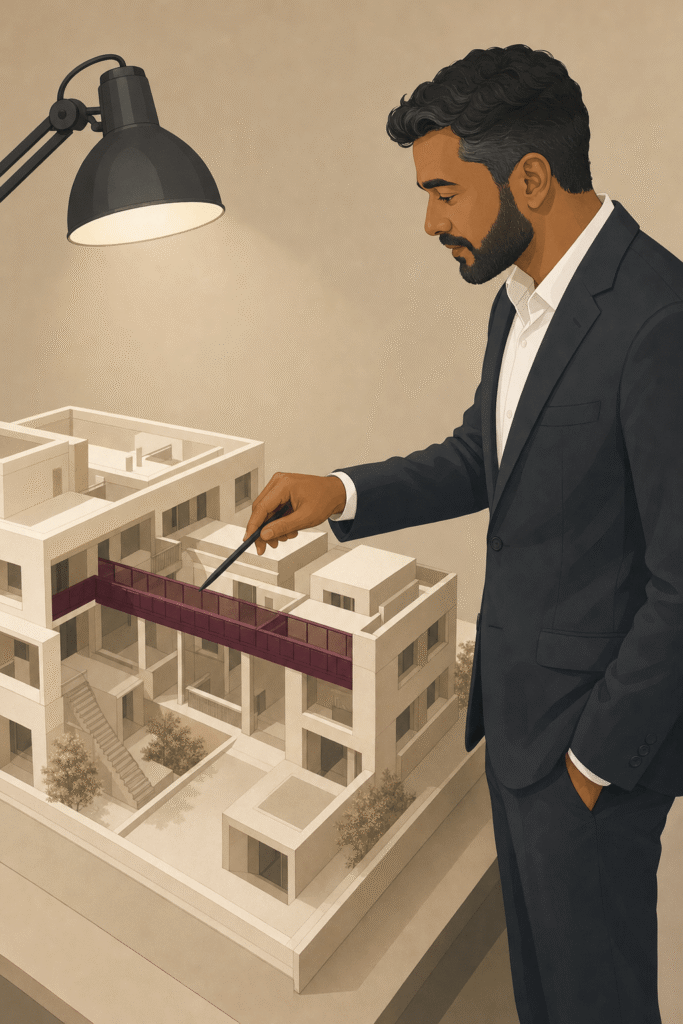
A central responsibility is to identify and eliminate foreseeable risks to health and safety, so far as is reasonably practicable. Where risks cannot be eliminated, the principal designer must take steps to reduce or control them.
These risks may affect workers constructing, maintaining, cleaning or demolishing the structure; people using the completed structure as a workplace; or others who could be affected by construction activities. For example, incorporating permanent access arrangements for roof maintenance could reduce the risks associated with working at height.
The principal designer is not expected to eliminate every risk. However, they must ensure that foreseeable hazards are considered systematically and that appropriate measures are incorporated into the design process.
Coordinating Designers and Sharing Information
The principal designer must ensure that everyone involved in preparing the design cooperates and communicates effectively.
This includes assisting the client in gathering pre-construction information and ensuring that relevant information is provided promptly to designers and contractors.
The principal designer must ensure that other designers comply with their duties under Regulation 9, including considering foreseeable risks arising from their designs.
Where several disciplines are involved, effective coordination is particularly important. A design decision made by one consultant may introduce risks that affect another consultant’s work or the construction methodology.
Liaising With the Principal Contractor
Although the principal designer’s primary responsibilities concern the pre-construction phase, their duties can continue after construction begins.
Under Regulation 11, the principal designer must liaise with the principal contractor throughout their appointment, sharing information relevant to planning, managing and monitoring the construction phase.
This includes communicating significant residual design risks and coordinating information where designs are developed or amended during construction.
Effective communication between the two dutyholders helps ensure that risks identified during design are properly understood and managed on site.

The Health and Safety File: Regulation 12
Under Regulation 12 of CDM 2015, the principal designer is responsible for preparing a health and safety file during the pre-construction phase. This provides essential information about the completed structure to help those carrying out future work identify and manage health and safety risks. The principal designer must also assist the principal contractor in preparing the construction phase plan by providing relevant information, including pre-construction information received from the client and information supplied by other designers.
What Must the Health and Safety File Contain?
The file should contain information relevant to future construction, maintenance, cleaning, alteration or demolition work.
This may include:
- Significant residual hazards that could not be eliminated through design.
- Information about structural arrangements and materials presenting particular risks.
- Details of concealed services and other features that could affect future work.
- Information about safe access and maintenance arrangements.
The file should be proportionate to the project and focus on information that will be useful to those undertaking future work, rather than becoming a collection of general project documentation.
Who is Responsible for Updating and Handing Over the File?
The principal designer must review, update and revise the health and safety file as the project progresses, incorporating relevant new information.
If their appointment ends before the project is completed, they must pass the file to the principal contractor, who then assumes responsibility for keeping it updated.
Otherwise, the principal designer must provide the completed file to the client at the end of the project. The client must retain it and make it available to anyone who may need the information for subsequent work. If the client disposes of their interest in the structure, the file must be passed to the new owner, who must be informed of its purpose.
Clear arrangements for preparing, updating and transferring the file are therefore essential, particularly where appointments change during a project.
Getting the Principal Designer Appointment Wrong
Appointing a principal designer is a statutory requirement, not simply a contractual formality. Where appointments are missing, unsuitable or poorly defined, the consequences can extend beyond health and safety compliance to include regulatory enforcement, project delays and contractual disputes.
Failure to Appoint a Principal Designer
Where a project requires a principal designer but a commercial client fails to appoint one, Regulation 5 places the principal designer’s duties under Regulations 11 and 12 on the client.
This means the client cannot avoid responsibility simply because no formal appointment was made. They may find themselves legally responsible for coordinating design-stage health and safety and ensuring that the health and safety file is prepared and maintained.
Different arrangements apply to domestic clients under Regulation 7.
Failure to comply with CDM 2015 can also result in enforcement action by the HSE, including improvement or prohibition notices and, in serious cases, prosecution.
Appointing Someone Without the Necessary Competence or Control
A written appointment alone does not establish compliance. The client must take reasonable steps to satisfy themselves that the proposed principal designer has the skills, knowledge, experience and organisational capability required under Regulation 8.
The appointee must also be a designer with sufficient control over the pre-construction phase to discharge their responsibilities.
For example, appointing a consultant who has little influence over other designers or limited access to project information could undermine effective coordination and create uncertainty about how statutory duties will be fulfilled.
Unclear Appointments and Potential Liability
Construction disputes can arise where appointment documents fail to define the principal designer’s services, authority or responsibilities clearly.
Although statutory CDM duties apply independently of the contractual appointment, the contract remains important in establishing what services the consultant has agreed to provide and the obligations owed to the client.
Particular difficulties may arise where a principal designer’s appointment ends before construction is complete, design responsibilities change or the parties disagree about who should coordinate outstanding work.
These issues can lead to disputes over professional responsibility, additional costs and potential contractual or professional negligence claims. However, a breach of CDM 2015 does not automatically establish civil liability. Whether a claim can be pursued will depend on the contractual obligations, any applicable duty of care and the circumstances of the alleged loss.
Clearly drafted appointments, supported by appropriate checks on competence and authority, can help reduce these risks and establish how responsibilities will be managed throughout the project.
How Witan Solicitors Can Help
Understanding principal designer duties under CDM 2015 is essential for clients and construction professionals seeking to manage their legal responsibilities and minimise the risk of disputes.
At Witan Solicitors, our construction law team can advise on principal designer appointments, contractual obligations and potential liabilities arising from non-compliance with CDM regulations.
Whether you need assistance reviewing an appointment, clarifying the allocation of responsibilities or resolving a dispute, we can help you understand your legal position and the options available.
For advice on principal designer duties or other construction law matters, contact us or call 0300 303 2071 to discuss your requirements.